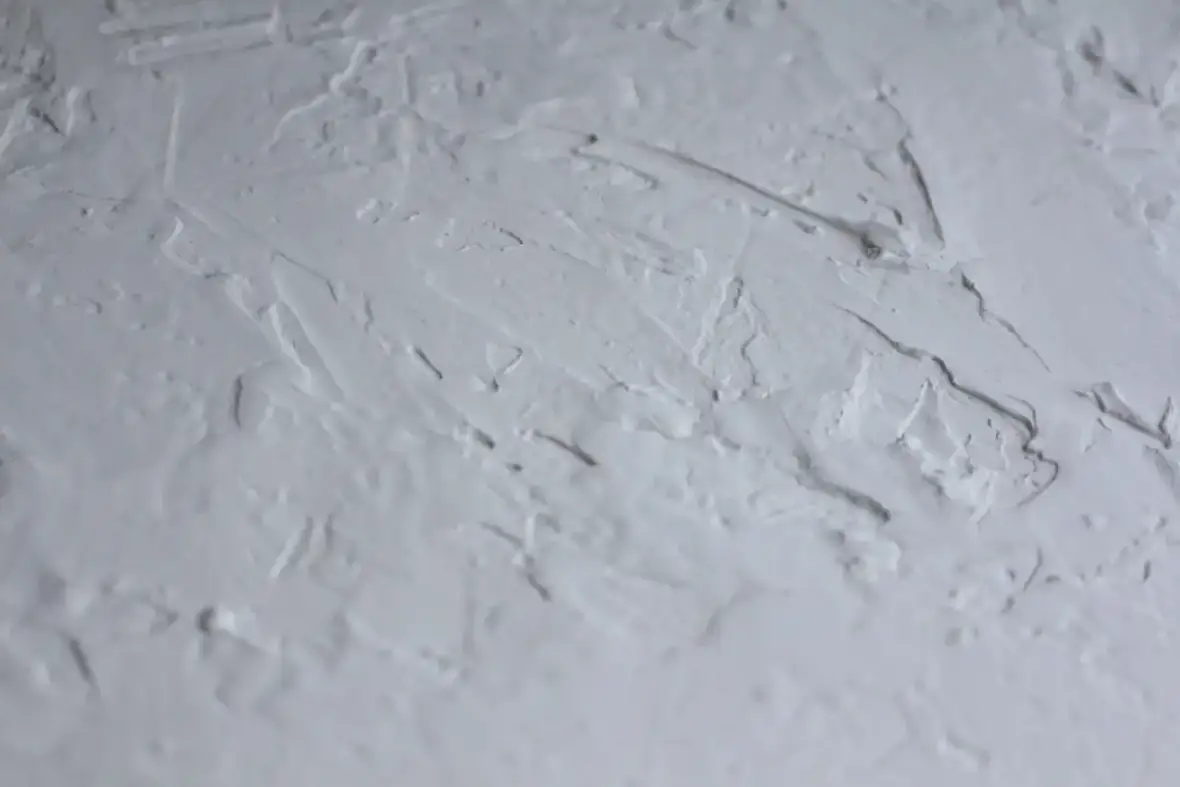
Popcorn Ceiling Removal in Milwaukee, WI — Testing, Scraping and Smooth Ceiling Finishing
Textured ceilings tested, scraped, skimmed flat and refinished across Milwaukee and its surrounding suburbs — over drywall or over the original plaster underneath.
Popcorn Ceiling Removal in Milwaukee, WI
Milwaukee Elite Drywall is your local resource for popcorn ceiling removal throughout Milwaukee and its surrounding suburbs. We work with experienced drywall professionals who treat asbestos testing as the first step rather than a formality.
Popcorn ceiling removal is two jobs sold as one. Scraping the texture off is roughly a third of the work. Making the ceiling underneath look like a finished ceiling is the other two thirds, and it is the part that determines whether you end up happy.
Before any of that, one step is not optional. Spray-applied texture manufactured before the late 1970s frequently contained asbestos. The federal ban on manufacturing it took effect in 1978, but existing stock could legally be used up, which is why ceilings sprayed into the mid-1980s remain in scope. Testing runs about $30 to $60 for a mail-in sample or $250 to $750 for a professional inspection, against removal costs of roughly $1.25 to $3.50 per square foot — and abatement, if it comes to that, at roughly $3 to $12.
Milwaukee adds a question most cities do not have to ask: what is under the texture? In a housing stock this old, popcorn was frequently sprayed directly onto existing plaster during a mid-century update rather than onto drywall. Scraping over plaster behaves differently — the surface underneath is harder, less forgiving of a blade edge, and may already be cracked or keyed loose in places the texture has been hiding for fifty years. Finding that out at the assessment rather than halfway through the scrape is the difference between a planned job and a surprise.
What’s Included in a Milwaukee Popcorn Ceiling Removal Quote
- Asbestos testing arranged before anything is disturbed on a ceiling of that era
- Work held until the lab result is in hand
- Substrate identified — drywall or original plaster — before scraping begins
- Room fully masked: floors, walls, trim, fixtures and doorways sealed
- Texture scraped with the surface dampened to control dust
- Ceiling assessed for what the texture was concealing, including plaster condition
- Joints, fastener heads, cracks and damage repaired to a proper finish standard
- Skim coat applied, sanded flat, and the ceiling primed for paint
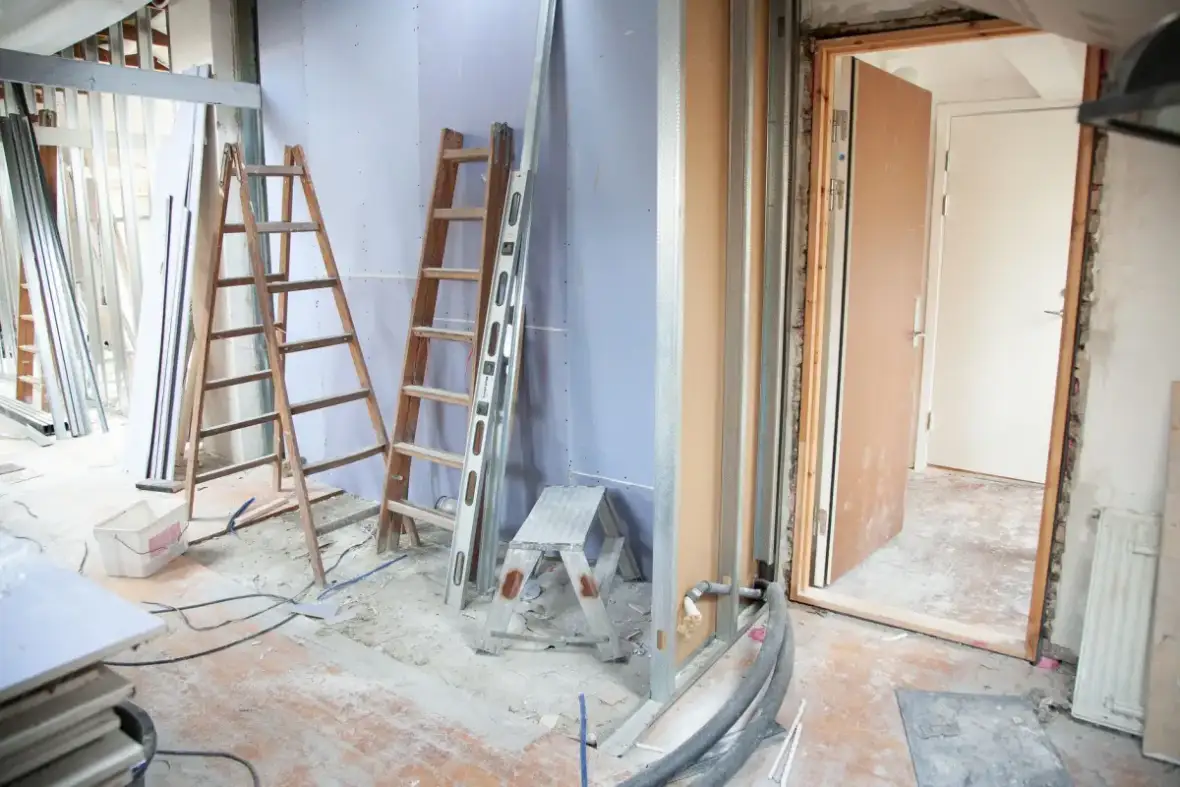
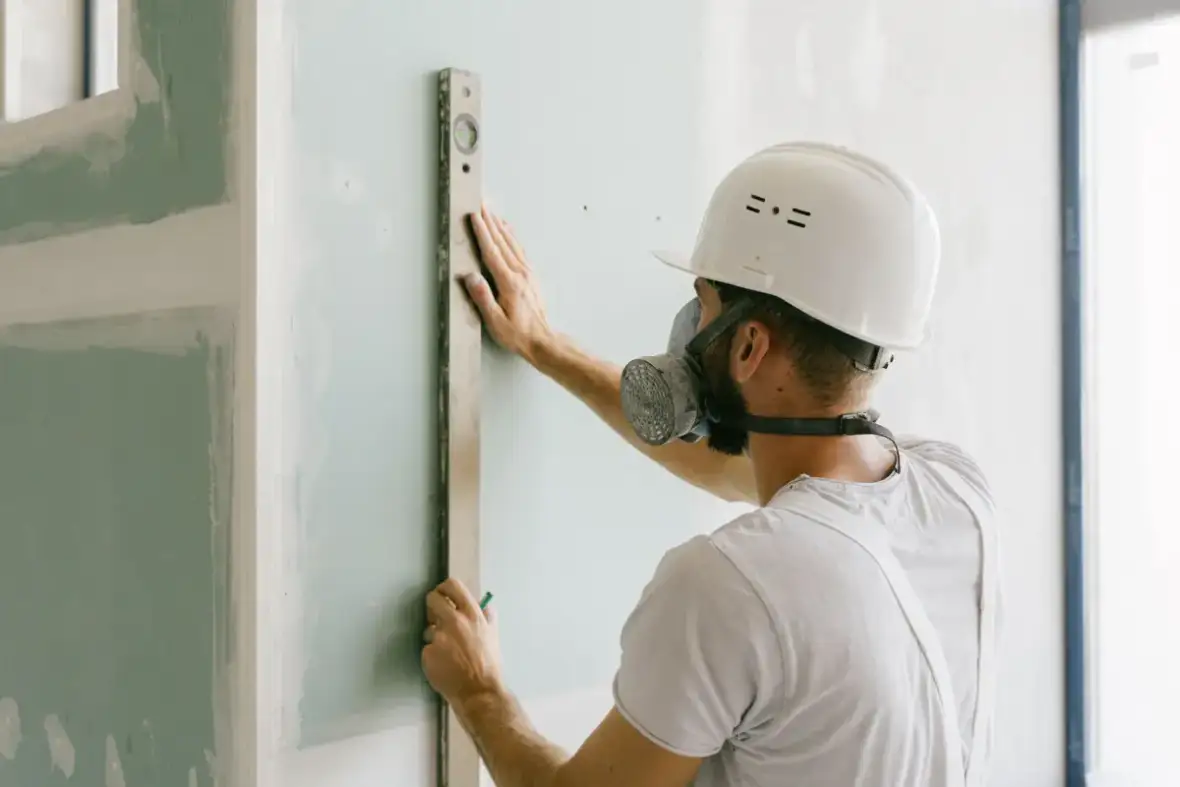
Popcorn Ceiling Removal in Milwaukee, WI
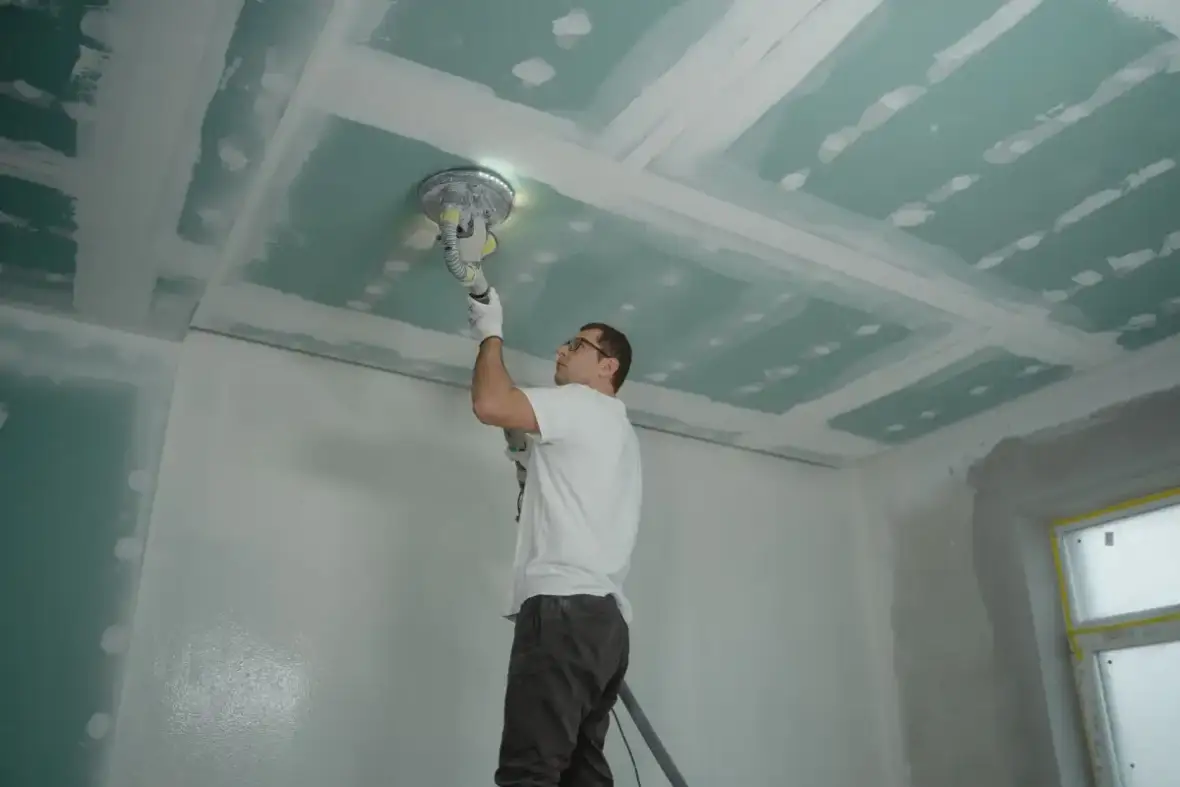
Popcorn Ceiling Texture Removal
The scraping itself, once testing has cleared it. The texture is dampened rather than dry-scraped, because water softens the material and dramatically reduces airborne dust. Working dry is faster for ten minutes and then produces a house-wide dust problem. The blade runs at a shallow angle to lift texture without gouging what is underneath — which on drywall means protecting the paper face, and on plaster means not chasing a blade into a surface that is harder in some places and softer in others. Ceilings painted after texturing scrape considerably harder, because the paint has sealed the material against water.
Ceiling Surface Preparation
What is revealed once the texture is off, and this is where the honest scope becomes clear. On drywall, ceilings that were always going to be textured were typically finished to a low level — joints coated once, fastener heads barely covered, hanging imperfections left because texture would hide them. On plaster, the reveal is different and sometimes more significant: hairline crazing, old repairs, and occasionally areas where the plaster has lost its keys and the texture has been the only thing holding the appearance together.
Ceiling Drywall Repair After Texture Removal
Fixing what scraping exposes or creates. Gouges in a drywall paper face need sealing before compound goes on, because bare gypsum core absorbs and bubbles. Loose or popped fasteners get driven properly or replaced. Single-coated joints get built up and feathered. On a plaster ceiling the work shifts — cracks get cut back and re-taped, and any section found to be detached from its lath gets re-anchored with plaster washers or removed, which is a decision worth making before a skim coat goes over it rather than after.
Smooth Ceiling Finishing
Taking the prepared ceiling to a flat, even surface, which usually means a full skim coat across the whole area rather than spot work. A ceiling is seen from across the room in flat light, so every variation in plane or porosity shows. That is why smooth ceilings are typically finished to Level 5 while walls in the same house sit at Level 4. Some owners choose a very light knockdown instead, which reads as contemporary, hides more, and costs less to finish — a reasonable option when the ceiling underneath turns out to be in rougher shape than hoped.
Ceiling Preparation for Painting
The last stage and the one that gets rushed. A freshly skimmed ceiling is highly absorbent and completely uneven in porosity compared with anything around it, so it needs a proper primer rather than a paint-and-primer product. Sanding dust has to be genuinely removed, because compound dust on the surface prevents primer from bonding. And the ceiling gets checked from the doorway under the room's own lighting before anything is called finished, since that is the angle every visitor will see it from.
Signs You Need Popcorn Ceiling Removal
- A textured ceiling in a house built or remodeled before the mid-1980s
- Popcorn texture that is flaking, shedding or discolored
- Water staining showing through textured ceiling material
- Texture sprayed over what appears to be an older plaster ceiling
- Texture that has been painted over and is now difficult to clean
- A ceiling you want smooth to match newer work elsewhere in the house
How Popcorn Ceiling Removal Works
- 1
Test, and Wait for the Result
Any ceiling that could date from the 1950s through the mid-1980s gets tested, and no work starts until the result is back. The 1978 federal ban stopped manufacture of asbestos-containing spray texture but allowed existing stock to be used up, which is why later ceilings remain in scope. Sampling means taking a small amount of material from a few locations, which is itself a disturbance and is done carefully. Mail-in lab testing runs roughly $30 to $60; a professional inspection generally runs $250 to $750. Given the alternative, this is a poor place to save money.
- 2
Find Out What Is Underneath
Before scraping, the substrate gets identified, because in this housing stock it is genuinely uncertain. Drywall behaves one way under a blade; plaster behaves another, and a plaster ceiling that has been carrying texture for fifty years may have crazing, old patches or detached sections concealed beneath it. Where the ceiling is plaster, attachment gets checked by hand pressure across the surface before anything is disturbed, since discovering that a section has lost its keys while a wet scraper is against it is a considerably worse moment to find out.
- 3
Seal the Room, Dampen, and Scrape
Popcorn removal generates more debris than almost any interior job, and wet texture sticks to whatever it lands on. Floors get covered and sealed at the edges, walls masked, trim and fixtures protected, and doorways sealed. Fixtures and fans come down rather than being worked around. Then the texture is misted, given time to absorb, and taken off with a wide blade at a shallow angle. Preparation genuinely takes longer than scraping, and a crew that starts scraping within twenty minutes of arriving has not prepared adequately.
- 4
Repair, Skim, Sand and Prime
Gouges are sealed, loose fasteners driven or replaced, joints built up, plaster cracks cut back and re-taped, and any detached plaster addressed before it is covered. Then a skim coat goes across the whole ceiling to create a single continuous plane, and it is sanded smooth. The ceiling is checked from the doorway in the room's own light rather than from a ladder. Finally it is primed — a fresh skim coat is far more absorbent than anything around it, and paint applied directly dries to a patchy sheen even when the plane is perfect.
What Does Popcorn Ceiling Removal Cost in Milwaukee, WI?
- Whether the texture tests positive for asbestos, which changes the trade entirely
- Ceiling area and height, which in older houses is often above the modern standard
- Whether the substrate is drywall or plaster
- Whether the texture was painted over, which makes scraping substantially harder
- Condition of the ceiling underneath and how much repair it needs
- Whether the finish is smooth or a light knockdown
- Masking, protection and fixture removal in an occupied home
| Service | Cost Per Sq. Ft. | Typical Job |
|---|---|---|
| New Drywall Installation | $1.50 – $3.00 per sq. ft. | $1,000 – $3,254 per project |
| Small Patch or Hole | $75 – $350 per patch | $300 – $500 for a contractor visit |
| Larger Wall Repair | $500 – $800+ per patch | Scales with how much comes out |
| Ceiling Repair | $297 – $472 per hole | $220 – $1,300 for the full ceiling |
| Water-Damaged Drywall | $500 – $2,500+ | Depends how far the moisture travelled |
| Texture Matching | $150 – $450 per patch | Runs 30 – 40% above a smooth finish |
Based on 2026 national cost-guide data from Angi, HomeGuide, and Homewyse. These guides price drywall work, and Milwaukee's older housing stock frequently isn't drywall — plaster repair, or a wall already layered with board over plaster, sits above these ranges because the method changes rather than just the square footage. Access in stairwells and occupied flats moves it too. You get a firm number after someone sees the job.
Without asbestos, published guidance puts popcorn removal at roughly $1.25 to $3.50 per square foot. A positive test changes the job completely: licensed abatement runs about $3 to $12 per square foot and carries EPA notification requirements above 160 square feet of asbestos-containing material. Testing at $30 to $60 is the cheapest decision in the process. The Milwaukee-specific variable is the substrate — a plaster ceiling that turns out to need re-anchoring or partial replacement is a different job from a drywall ceiling that just needs skimming.
What to Look for in a Milwaukee Popcorn Ceiling Removal Contractor
They Insist on Testing First
Anyone willing to start scraping a mid-century ceiling without a lab result is making a decision about your household's air that is not theirs to make.
They Check Whether It Is Plaster Underneath
In this housing stock the substrate is a real question. Scraping wet texture off a plaster ceiling with failed keys is how a cosmetic job becomes a structural one.
They Quote the Finishing, Not Just the Scraping
Scraping is a third of the work. A quote that only covers removal ends with a ceiling you cannot paint.
They Prime Before Paint
A fresh skim coat is far more absorbent than the surrounding surface. Paint straight onto it dries patchy no matter how flat the ceiling is.
Residential & Commercial Popcorn Ceiling Removal
Residential
Residential popcorn removal here is complicated by age. Texture sprayed in the 1960s and 70s frequently went onto plaster ceilings that were already fifty years old, which makes the substrate rather than the texture the variable that decides the scope.
Commercial
Commercial ceiling texture removal adds occupied-space scheduling, containment standards set by the building, and rated assemblies that have to survive the work. That is covered on the commercial drywall repair page.
When Popcorn Ceiling Removal Isn’t the Right Call
- Ceilings that test positive for asbestos. That is licensed abatement with its own regulatory requirements, and not a drywall job.
- Anyone wanting texture scraped without the finishing that follows. The result is a ceiling that cannot be painted and looks worse than the popcorn did.
- Ceilings with active water intrusion. The leak is fixed and the structure dried before any of this starts.
- Plaster ceilings where the keys have failed across a large area. That is a plaster decision before it is a texture one — see plaster repair.
- Addresses outside Milwaukee County and the neighboring Waukesha, Ozaukee and Washington County suburbs.
Frequently Asked Questions
- Does my popcorn ceiling contain asbestos?
- The only way to know is a lab test. Age narrows the odds without settling it: asbestos was common in spray-applied texture before the 1978 manufacturing ban, and because existing stock could legally be used up, ceilings sprayed into the mid-1980s can still contain it. A mail-in sample costs roughly $30 to $60 and takes a few days. Given that a positive result changes the trade, the cost and the timeline entirely, testing is the cheapest certainty available in this process.
- What happens if the test comes back positive?
- The work becomes licensed asbestos abatement — a separate trade with its own containment protocols, disposal requirements and regulatory notification, with the EPA requiring notification before disturbing more than 160 square feet of asbestos-containing material. Cost moves from roughly $1.25–$3.50 per square foot to somewhere between $3 and $12. There is also a third option worth knowing: undisturbed asbestos-containing texture in good condition can often be encapsulated or covered with new board rather than removed.
- Is my ceiling drywall or plaster under the texture?
- In a Milwaukee house it is a genuine question and worth answering before work starts. Popcorn was frequently sprayed straight onto existing plaster during mid-century updates. A tap test tells you a lot — plaster sounds solid and dense, drywall sounds hollower — and thickness at a fixture opening confirms it. It matters because scraping over plaster is different work, and because a plaster ceiling may have crazing, old repairs or detached sections that the texture has been concealing for decades.
- Why is the finishing more expensive than the scraping?
- Because of what the texture was hiding. On drywall, ceilings sprayed with popcorn were typically finished to a low level, since texture would cover it — joints coated once, fastener heads barely treated, minor imperfections left. On plaster, it may have been hiding cracking or old repair work. Either way, once the texture is off, all of it has to be brought to a finished standard, which usually means a full skim coat and sanding across the entire ceiling.
- Can I cover the popcorn with new drywall instead?
- Yes, and it is a legitimate approach — particularly where the texture contains asbestos and is in sound condition, since covering avoids disturbing it. New board goes over the existing ceiling, fastened through into the joists. The trade-offs are that it lowers the ceiling by half an inch or more, adds weight the framing carries, and complicates anything mounted in the ceiling. In an older house with a plaster ceiling already up there, the combined weight is worth thinking about before adding a third layer.
- How long does a popcorn ceiling removal take?
- For a typical room, plan on several days rather than one. Masking is most of the first day. Scraping a single room is often half a day. Then the finishing sequence takes over and is governed by drying time between compound coats, which cannot be compressed by adding people. A whole-house removal usually runs one to two weeks. Anyone quoting a room scraped, skimmed, sanded, primed and painted in a day is describing work that will not hold up.
Learn More
- EPA Asbestos Information — federal guidance on asbestos in building materials, testing and notification thresholds
- Wisconsin DHS Asbestos Program — state requirements for asbestos identification, abatement and certified contractors
- National Park Service Preservation Brief 21 — technical reference on assessing and repairing historic plaster ceilings
Need Popcorn Ceiling Removal in Milwaukee, WI?
Tell us what’s going on and get an on-site estimate — no charge for the visit, and no obligation to book the work.
Get My Free Estimate